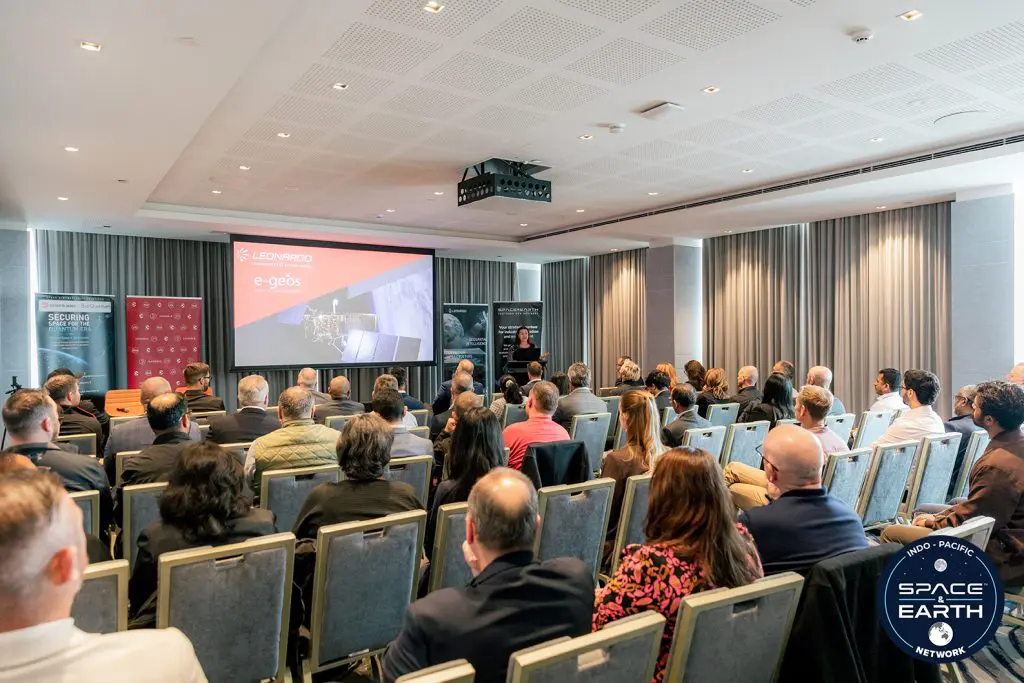
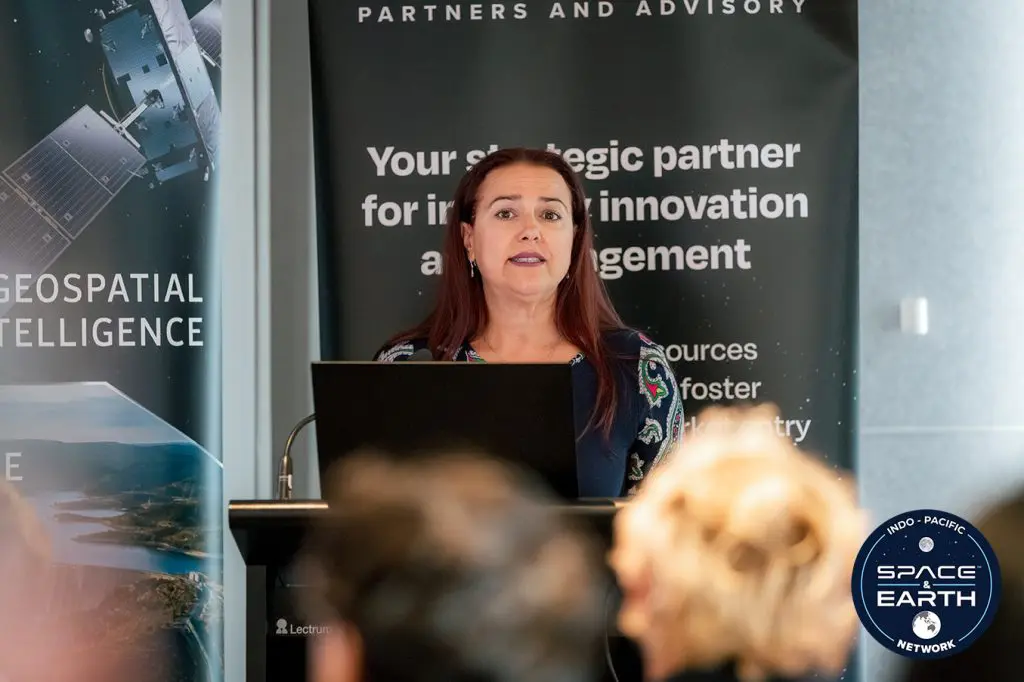
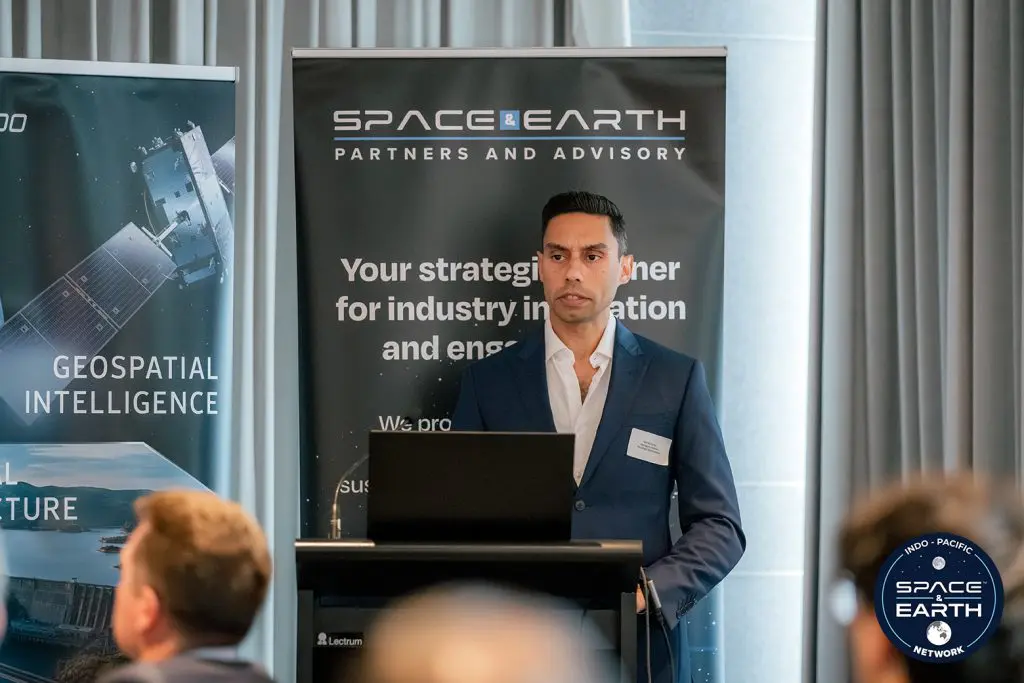
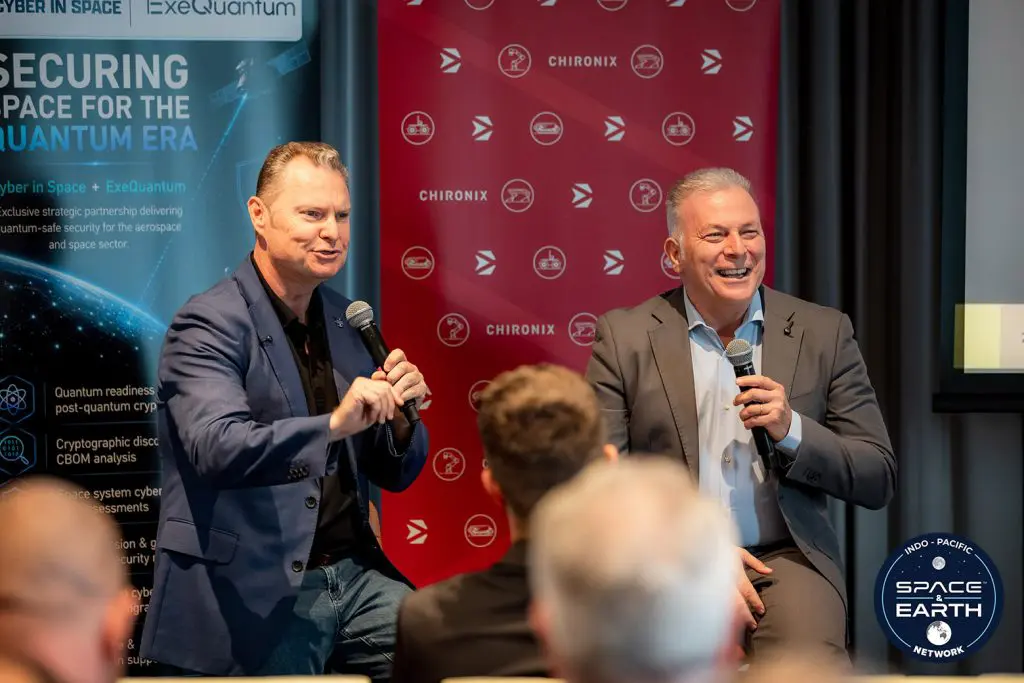
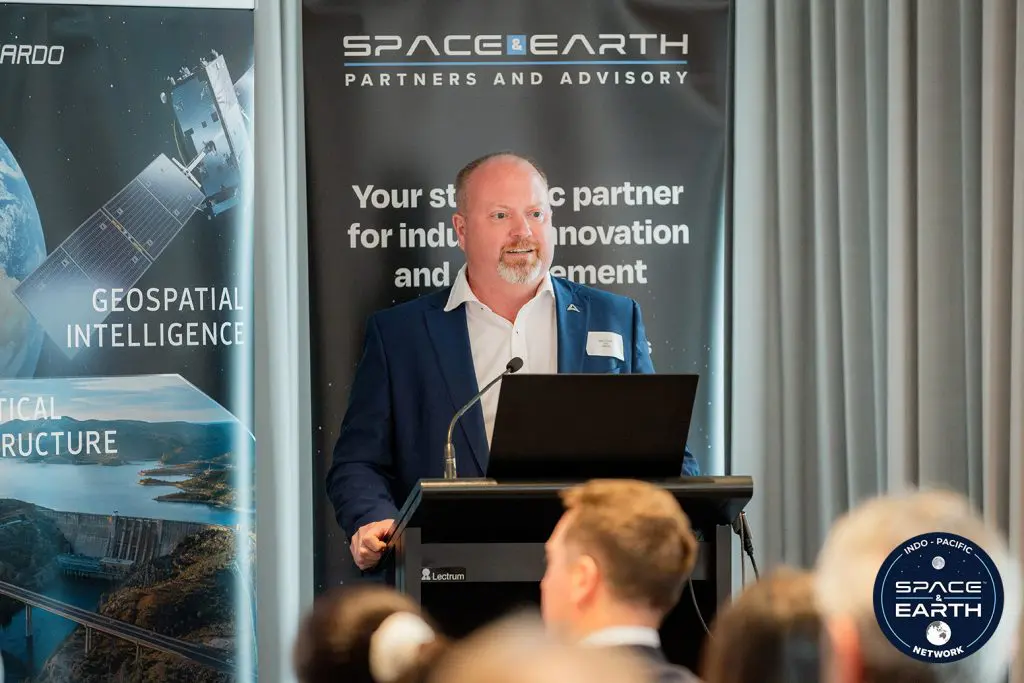
The forum brought together senior leaders from mining, oil and gas, and energy to explore how organisations can move beyond simply collecting operational data and use it to make earlier, better-informed and more defensible decisions about the condition and performance of critical assets.
The discussions highlighted the increasingly connected relationship between asset integrity, ground movement, environmental monitoring, remote inspection, robotics, automation and cyber resilience. A key theme was the value of combining satellite, geospatial, sensor and operational data to identify emerging risks before they escalate into safety incidents, environmental events, unplanned outages or costly asset failures.
The forum also explored practical applications across mining and energy operations, including detecting ground deformation around mines, pipelines and critical infrastructure; monitoring emissions, water and environmental conditions; assessing subsurface and structural change; and using robotics and remote operations to inspect hazardous or difficult-to-access locations.
Beyond detection, the forum addressed the critical challenge of integration — connecting geospatial intelligence, remote sensing, robotics and automated monitoring with existing asset-management and work-management systems. Discussions also considered the importance of ensuring that the data and systems underpinning critical operational decisions remain trusted, secure and cyber resilient.
Who Attended
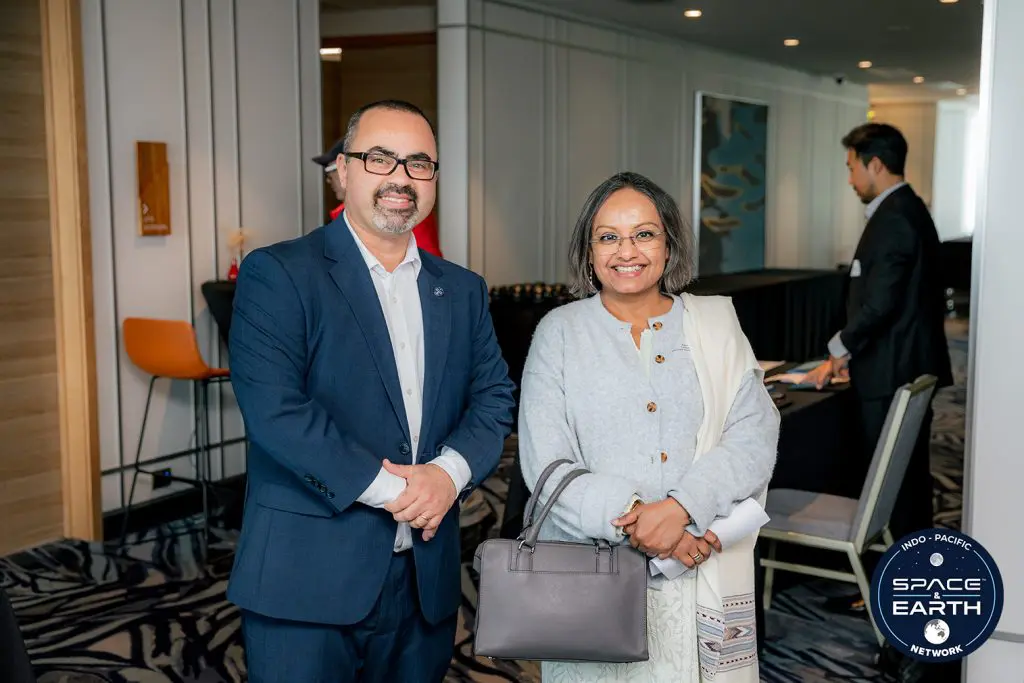
The forum brought together senior operational, engineering, technology and risk leaders responsible for turning information about asset condition and emerging threats into real-world decisions.
Attendees included executives and decision-makers across asset integrity, maintenance and reliability, mining and energy operations, engineering, HSE, environmental assurance, geospatial intelligence, digital transformation, automation, operational technology and cybersecurity.